Can a Circular Saw Cut Metal?
Yes, a circular saw can cut metal when both the saw and blade are approved for the exact material and application. A metal blade alone does not make a wood saw suitable.
On this page (8 sections)
- Can a circular saw cut metal safely?
- Which metals and stock shapes can you cut?
- What blade should you buy for cutting metal?
- Which of these circular saws suits your wider workload?
- How do you set up a circular saw for metal?
- How do you keep the cut straight and avoid binding?
- Which mistakes shorten blade life or damage the work?
- Can a circular saw cut metal, or should you buy another tool?
Yes, a circular saw can cut metal when the saw and blade both permit the exact job. Changing a wood blade for a metal blade is only part of the decision.
Start with the material, thickness, and shape you need to cut. Then confirm that your saw allows that application before buying an accessory or setting up the work.
Can a circular saw cut metal safely?
A compatible saw, blade, and supported workpiece are all required. Motor power, blade diameter, or a familiar brand name cannot guarantee metal cutting suitability.
Read the saw manual first, then check the blade instructions for material and operating limits. If permission is unclear, choose a tool expressly designed for the job.
Metal cutting produces sharp chips and can produce heat and sparks. Your work area needs stable support, room for the cutoff, and a clear path for debris.
Our circular saw buying guide explains the main saw styles. Use it to narrow your choices, then check material approval for the specific model.
Which metals and stock shapes can you cut?
Match the blade to both the metal and its shape. Aluminum sheet, steel tube, and solid bar can need different tooth designs and support arrangements.
Do not read “metal cutting” as permission to cut every alloy. The blade instructions should cover the material and thickness range you plan to work with.
Can a circular saw cut steel?
Some saw and blade combinations can cut steel, but approval may be limited to particular grades or thicknesses. A blade suited to mild steel may not suit stainless steel.
For tube or angle, check how the blade maker defines cutting capacity. Wall thickness and the changing section through the cut matter, so the stock’s outside dimension alone is not enough.
Can a circular saw cut aluminum?
Aluminum needs a blade intended for nonferrous metal and a saw that allows the application. A steel cutting blade is not an automatic substitute.
Thin sheet can vibrate, while hollow sections can move under cutting force. Use the specified clamping and support method rather than holding small stock near the blade.
What blade should you buy for cutting metal?
Buy for material compatibility first, then fit and speed. A carbide wood blade is not suitable merely because it has hard teeth.
Check these points before ordering:
- Material and section: the exact metal, thickness, and stock shape.
- Saw type: approval for your kind of circular saw.
- Fit: the required blade diameter, arbor, and other mounting dimensions.
- Speed: a maximum blade RPM at least as high as the saw’s maximum speed.
- Operating method: any limits on feed, lubrication, or cutting depth.
Do not substitute an abrasive wheel unless the saw specifically allows that accessory. Never remove a guard, use an improvised adapter, or modify the saw to make a blade fit.
Does a higher tooth count mean a better metal cut?
Tooth count alone does not tell you which blade to buy. Tooth shape, spacing, and the amount of material engaged in the cut also matter.
Follow the blade maker’s stock recommendations. Choosing the finest teeth available can be just as mistaken as using a coarse wood blade.
For fitting steps, see how to change a circular saw blade. Disconnect power first and follow the accessory instructions for mounting and rotation direction.
Which of these circular saws suits your wider workload?
These 3 models are worth considering for general circular saw work, but none can be recommended here as a confirmed metal cutting choice. Buy one for metal only after the manufacturer confirms your exact application.
If metal is your main workload, start with purpose-built metal cutting saws. If woodworking comes first, the differences below help you choose a general saw without mistaking its features for metal approval.
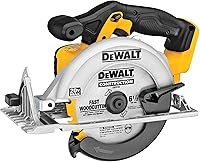
DeWalt DCS391B: for cordless woodworking
Choose the DCS391B if cordless movement matters for your wood projects. It uses a 6.5 in blade and has a magnesium shoe, while its rubber overmolded grip gives you a shaped contact surface for control.
The battery and charger are sold separately, so include those in your buying plan. Skip it if you want a complete power setup in the box or are choosing solely for an unconfirmed metal job.
Makita 5007Mg: for framing and panel work
Choose the 5007Mg for corded framing and panel projects where cut-line visibility matters. Its 2 built-in LED lights illuminate the cut line, and it includes a case, rip fence, and hex wrench.
The saw weighs 10.6 lb, so consider how often you will carry and position it. Skip it if cordless movement is your priority; its framing blade’s ability to handle nail-embedded wood does not guarantee suitability for cutting metal stock.
Skil 5180-01: for weekend wood projects
Choose the 5180-01 for occasional lumber and plywood work if you prefer a lighter corded option. It weighs 7.2 lb and has a spindle lock to help with blade changes.
Its included 20-tooth carbide blade does not guarantee metal compatibility. Skip it if you need cordless use or want a saw chosen specifically for regular metal cutting.
Compare other plug-in options in our best corded circular saws guide. For battery tools, see how to choose a cordless circular saw.
How do you set up a circular saw for metal?
Clamp the stock securely and arrange support so the cut cannot pinch the blade. Keep the saw’s shoe stable throughout the cut, including at the end.
- Disconnect power. Unplug the saw or remove its battery before fitting the blade or making adjustments.
- Inspect the tool. Check the blade for damage and confirm that its mounting and the guard work correctly.
- Plan the cutoff. Support the work as directed without trapping the blade or allowing pieces to fall unpredictably.
- Check the path. Keep clamps, cords, supports, and hidden objects outside the blade’s route.
- Set depth and angle. Follow the saw and blade instructions for the material rather than copying a wood-cutting setup.
Do not stack several sheets unless the approved cutting method allows it. For basic tool handling, review how to use a circular saw.
What protection and workspace do you need?
Wear eye and hearing protection and control where chips and sparks travel. Add any face, respiratory, or other protection required for the material and cutting method.
Clear away fuel, sawdust, and other combustible material. Do not connect an ordinary woodworking dust collector to collect hot metal debris.
Keep loose clothing and hair away from moving parts. Follow the tool’s glove guidance during operation, and handle sharp offcuts only after the blade stops and hot pieces cool.
How do you keep the cut straight and avoid binding?
Use an approved guide setup and a steady feed without forcing the saw. The shoe needs a firm reference surface; a guide cannot make unstable stock safe.
Mark the cut and allow for the blade’s kerf on the waste side. Check clearance for the motor housing and guard as well as the blade.
Let the blade reach operating speed before entering the material, as directed. If the saw labors, binds, or starts producing unusual vibration, stop instead of pushing harder.
Wait for the blade to stop before withdrawing it from a stalled cut or inspecting the work. Disconnect power before clearing chips or correcting the setup.
Our guide to cutting straight with a circular saw covers alignment basics. Use only the methods permitted for your metal cutting setup.
Which mistakes shorten blade life or damage the work?
Wrong blade selection and excessive feed cause problems that more motor power cannot solve. Keep the blade clean and inspect it before each job.
Avoid these common mistakes:
- Using carbide as proof of compatibility: wood and metal blades can both have carbide teeth.
- Adding fluid by habit: use lubricant only when the saw and blade instructions allow it.
- Continuing with damaged teeth: stop for chips, cracks, or other damage and follow replacement guidance.
- Brushing chips away by hand: disconnect power and use a brush once the debris has cooled.
A growing burr or a cut that suddenly needs more force calls for inspection. After use, clear chips from the shoe and guard without blowing debris toward yourself or others.
Can a circular saw cut metal, or should you buy another tool?
Use a circular saw for metal when the approved combination matches your stock and lets you make a supported, straight cut. For repeated tube cuts, thick sections, or awkward access, compare tools designed around those jobs.
A metal-cutting band saw may suit repeated stock cuts, while suitable snips or a nibbler may suit thin sheet. An angle grinder or reciprocating saw can address other shapes and access limits, with the correct accessory.
If you mainly cut wood, choose among the DeWalt, Makita, and Skil by power setup, handling, and included equipment. If metal drives the purchase, get explicit application approval first and use how to choose a circular saw to compare the remaining features.
For a broader view of saw types, keep our complete circular saw guide nearby as you narrow the choice.
Frequently asked questions
Can a regular circular saw cut metal?
Yes, a regular circular saw can cut metal if its manufacturer permits the exact application and you fit a compatible metal cutting blade. A matching arbor hole is not enough; check the material, stock thickness, blade diameter, speed limits, and work support requirements before making the cut.
What blade do I need to cut metal with a circular saw?
Use a blade made for your exact metal, stock shape, thickness, and saw type; blades for aluminum and steel are not interchangeable unless expressly approved for both. Match the required diameter and arbor, and make sure the blade’s maximum RPM meets or exceeds the saw’s maximum speed.
Can a circular saw cut steel?
Yes, some circular saws can cut steel with a blade approved for the steel type and thickness; the saw must also permit that use. Do not treat approval for mild steel as approval for stainless steel, and plan for sharp edges, hot chips, and possible sparks.
Is a circular saw or an angle grinder better for cutting metal?
An approved circular saw often suits long, straight cuts where its shoe can stay supported; an angle grinder may suit short cuts or awkward access with the correct cutting disc. Choose by the stock shape and cut, and check each tool’s limits rather than treating either as a universal metal cutter.