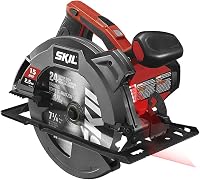
Are Circular Saws Left- and Right-Handed?
Yes, circular saws are made in left- and right-handed setups, based on which side of the handle the blade sits on. Most saws sold are right-handed, with the blade on the right, but left-blade worm drives suit different cutting habits.
On this page (8 sections)
- Are circular saws left- and right-handed?
- What actually makes a circular saw left- or right-handed?
- How does blade side affect how you use the saw?
- Is a worm drive always a left-blade saw?
- Should left-handed users buy a left-blade saw?
- Who is a standard sidewinder best for?
- Does handedness change the way you set up a cut?
- Which layout should you buy?
Yes, circular saws are made in left- and right-handed layouts. The split comes down to which side of the handle the blade and motor sit on, and that single detail changes how you hold the tool and watch the cut line.
If you've ever picked up a saw and felt like the blade was on the wrong side, you weren't imagining it. Manufacturers build both layouts, and the one that fits you depends on your dominant hand and the kind of cutting you do.
Understanding the two designs is one of the first things worth knowing when you choose a circular saw, because it affects sight lines, balance and comfort over a long day of cuts.
Are circular saws left- and right-handed?
Yes. A right-handed saw puts the blade on the right side of the handle, and a left-handed saw puts it on the left.
That's the whole rule, and it applies across brands and price points.
The layout isn't about the grip alone. It's about where the spinning blade sits relative to your body, because that decides which eye sees the cut line and which hand steers the tool.
Most saws on the shelf are right-bladed, so they're labeled right-handed. Left-blade saws exist too, and they're common in worm drive models and in saws aimed at left-handed users.
This is the core of the question "are circular saws left and right handed," and the answer is a clear yes with a simple visual test. Pick up a saw and check which side the blade guard sits on.
What actually makes a circular saw left- or right-handed?
The blade side defines it, not the shape of the handle. A saw with the blade on the right of the motor housing is right-handed, and the mirror image is left-handed.
Handles and grips look similar on both layouts, so the blade position is the reliable cue. Flip the saw over and look at where the guard and motor block sit relative to the base plate.
Manufacturers sometimes add a top handle or an extra grip, but that doesn't change the handedness. The blade side remains the deciding feature.
One confusing case is the worm drive, where the motor sits behind the handle and gears drive the blade. Most worm drives are left-bladed, which puts the blade on the left in the conventional sense.
How does blade side affect how you use the saw?
Blade side changes your sight line and which side of the board you cut from. A right-blade saw lets a right-hander watch the line with the motor clear of the cut.
With a left-blade saw, the blade sits close to the user's hand and the motor is farther out, so the cut line is visible to a left-handed user in the same way.
The difference matters most on long rips and finish cuts, where you follow a line for several feet. A clear view of the blade teeth meeting the line is what keeps the cut straight.
Blade side also decides the safe side to stand on. You want the saw body between you and the offcut, so the base plate rests on the piece that stays supported.
For a full walkthrough of stance and control, see how to use a circular saw before you start on a project.
Is a worm drive always a left-blade saw?
No, but most worm drive saws place the blade on the left. That layout is the classic framing setup, and it's why worm drives have a strong following among right-handed carpenters.
The left-blade design lets a right-hander look down the line while pushing the saw forward, with the rear motor balanced behind the handle. It's a heavy tool, so that balance matters.
Worm drives are also known for torque and durability, which is why crews use them on repeated rips through thick lumber. The blade side is a separate question from the gear type.
A worm drive isn't automatically the right pick for a beginner. The weight and the layout take some getting used to, which is why a circular saw for beginners usually looks different.
The heavyweight in this category is the Skilsaw SPT77WML-01, which Skil calls its lightest worm drive. It weighs 11.5 lb.
Its magnesium housing cuts weight, and the 15 A motor gives it the torque to rip through more lumber in less time. The cut-ready depth system helps you set depth quickly, and the anti-snag lower guard keeps small cutoffs moving smoothly.
Should left-handed users buy a left-blade saw?
Left-handed users often prefer a left-blade saw because the blade sits where they can see it. It puts the cut line in their natural line of sight, the mirror of what a right-hander gets from a right-blade saw.
That's a comfort and accuracy issue, not a safety rule. A left-blade saw still needs the same two-handed grip, the same stance and the same guard checks.
Plenty of left-handed woodworkers use standard right-blade saws without trouble. They learn to cut from the other side or to sight along the line from a different angle.
If you've struggled to see the line on a borrowed right-blade saw, a left-blade model is worth trying. The change is real for some users and barely noticeable for others.
Who is a standard sidewinder best for?
A sidewinder suits most home users, and the standard right-blade layout is the easiest to live with. It's the common design, so blades, parts and accessories are straightforward to find.
Sidewinders are lighter in the hand than worm drives, and the motor sits beside the blade rather than behind the handle. That makes them easier to lift and steer for trim, decking and plywood cuts.
The Skilsaw SPT67WL-01 is a right-blade sidewinder with a 15 A motor and a 56 degree bevel, with a positive stop at 45 degrees. At 8.6 lb Skil calls it the lightest professional circular saw in its class.
Its Dual-Field motor is designed to run cooler, and the 10 ft cord reduces snagging on sheet goods. It's the natural pick if you want a standard layout and a lighter saw.
Does handedness change the way you set up a cut?
Handedness mostly changes which side of the line you stand on, not the cut itself. The saw rides the same way along the base plate either way.
You still mark the line, set the blade depth so the teeth clear the material, and support both sides of the cut. The blade guard must move freely before you pull the trigger.
On a left-blade saw, the offcut side and your body position flip compared with a right-blade saw. Check that the cord trails away from the blade and that nothing blocks the guard.
A straight edge or guide rail helps both layouts, and it removes most of the guesswork about which side to watch. Clamp it down and let the base plate ride it.
If you cut sheet goods often, a cordless model is worth a look. Our roundup of the best circular saws covers corded and cordless options in both blade layouts.
Which layout should you buy?
Buy a right-blade saw if you're right-handed or unsure, and try a left-blade saw if the blade on the right blocks your view. That's the practical rule, and it settles the question for most shoppers.
The right-blade sidewinder is the safe default for a first saw. It's the common layout, the balance is familiar, and it covers framing, decking and general cuts.
Left-blade saws, usually worm drives, reward users who cut a lot of lumber and want the sight line and torque those tools provide. They're heavier and cost more to run, so they suit repeat work more than one-off projects.
Whichever way you go, check the guard, set the depth, and keep both hands on the tool. The handedness question is about comfort and sight, not about skipping the basics.
So when people ask are circular saws left and right handed, the honest answer is yes, and the right pick is the one that lets you see the line and hold the saw steady. Start with the layout that matches your dominant hand, then practice on scrap before your first real cut.
Frequently asked questions
Can a left-handed person use a right-handed circular saw?
Yes, with practice. The blade guard and motor on the right can block your view, so you learn to cut from the other side of the line or switch the saw around.
Many left-handed users simply pick a left-blade saw to see the cut normally.
Should a beginner buy a left- or right-handed saw?
Most beginners do fine with a standard right-handed saw, since it's the common layout and replacement parts and blades are easy to find. If you're left-handed and the blade blocks your sight line, a left-blade saw will feel more natural.
Does the blade side change how I hold the saw?
It changes which hand feels comfortable on the rear handle and how you see the cut. A right-blade saw lets a right-hander watch the line with the motor out of the way, while a left-blade saw favors left-handed sight and control.